The German Hub

Education, Europe and opportunities without borders

For learners and students

We start with the German language and carry on into whatever follows: study, travel, European projects, international partnerships and the careers that come out of them.

Learn. Discover. Connect. Grow.
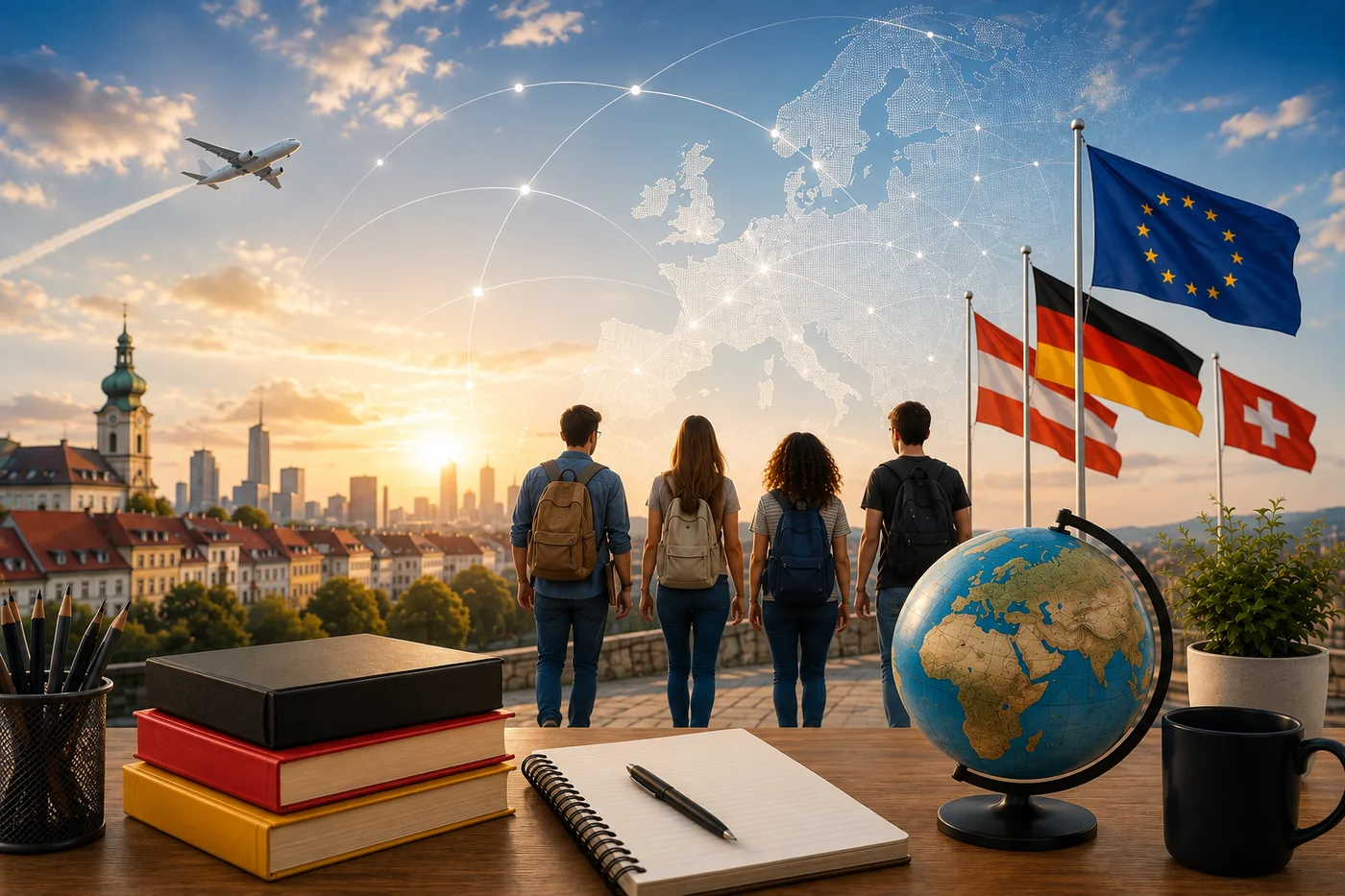
Education, Europe and international opportunity — the German-speaking world and European programmes
Goethe-InstitutÖSDtelc DSDKPGErasmus+ eTwinningG100Eduki Goethe-InstitutÖSDtelc DSDKPGErasmus+ eTwinningG100Eduki

What we do, built around you

Different needs, different goals. Start wherever makes sense for you.

01

I want to learn German

For children, teenagers, adults and professionals.
  • German programmes A1–C2
  • Online lessons, from anywhere
  • Goethe, ÖSD and telc preparation
  • DSD and the Greek State Certificate
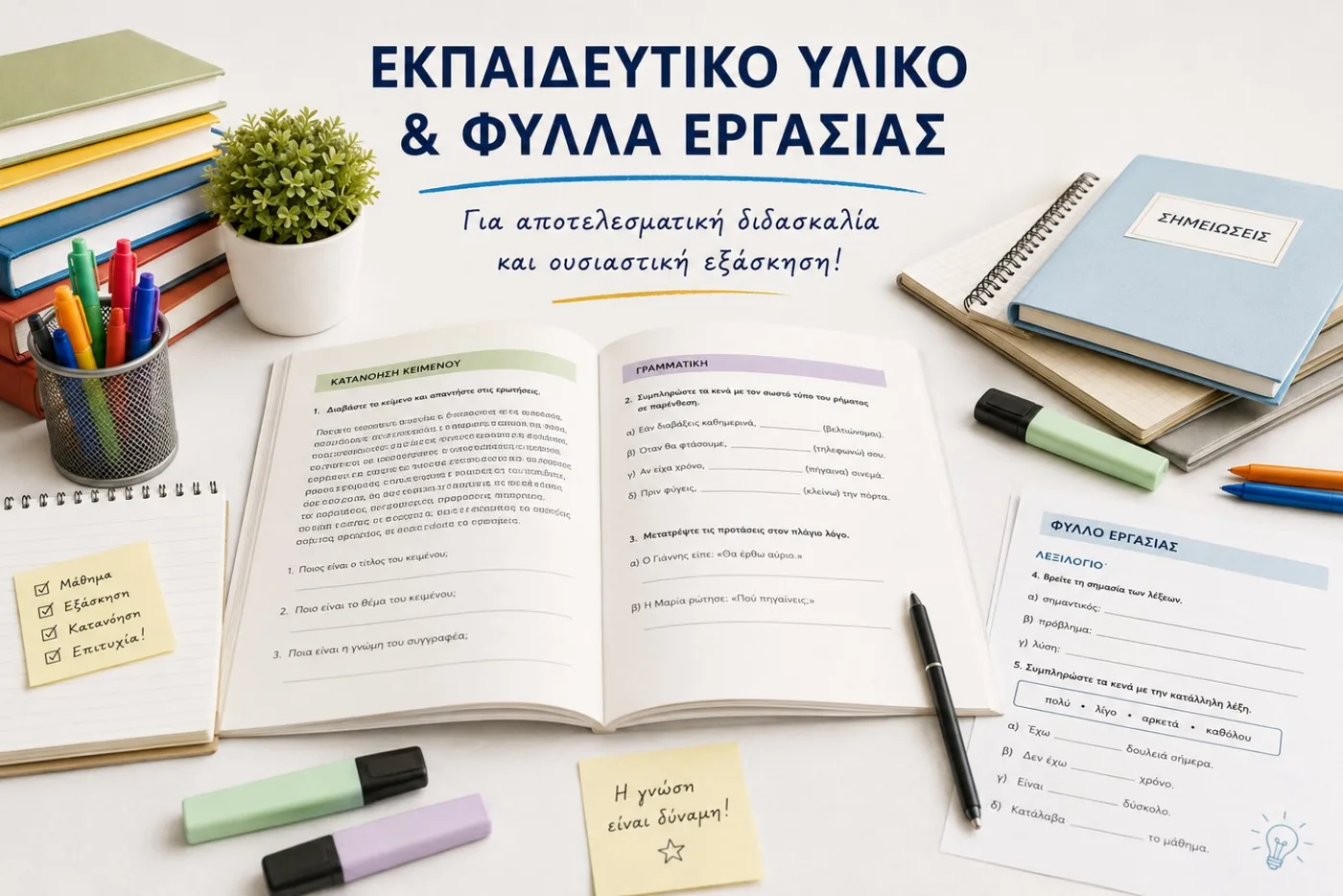
  • Teaching materials and worksheets
  • Preparation with a purpose, not just for the exam
See the programmes →
02

We are a school or an organisation

For education providers, companies, municipalities and organisations.
  • Proposal design and writing
  • Project management and delivery
  • Dissemination and evaluation
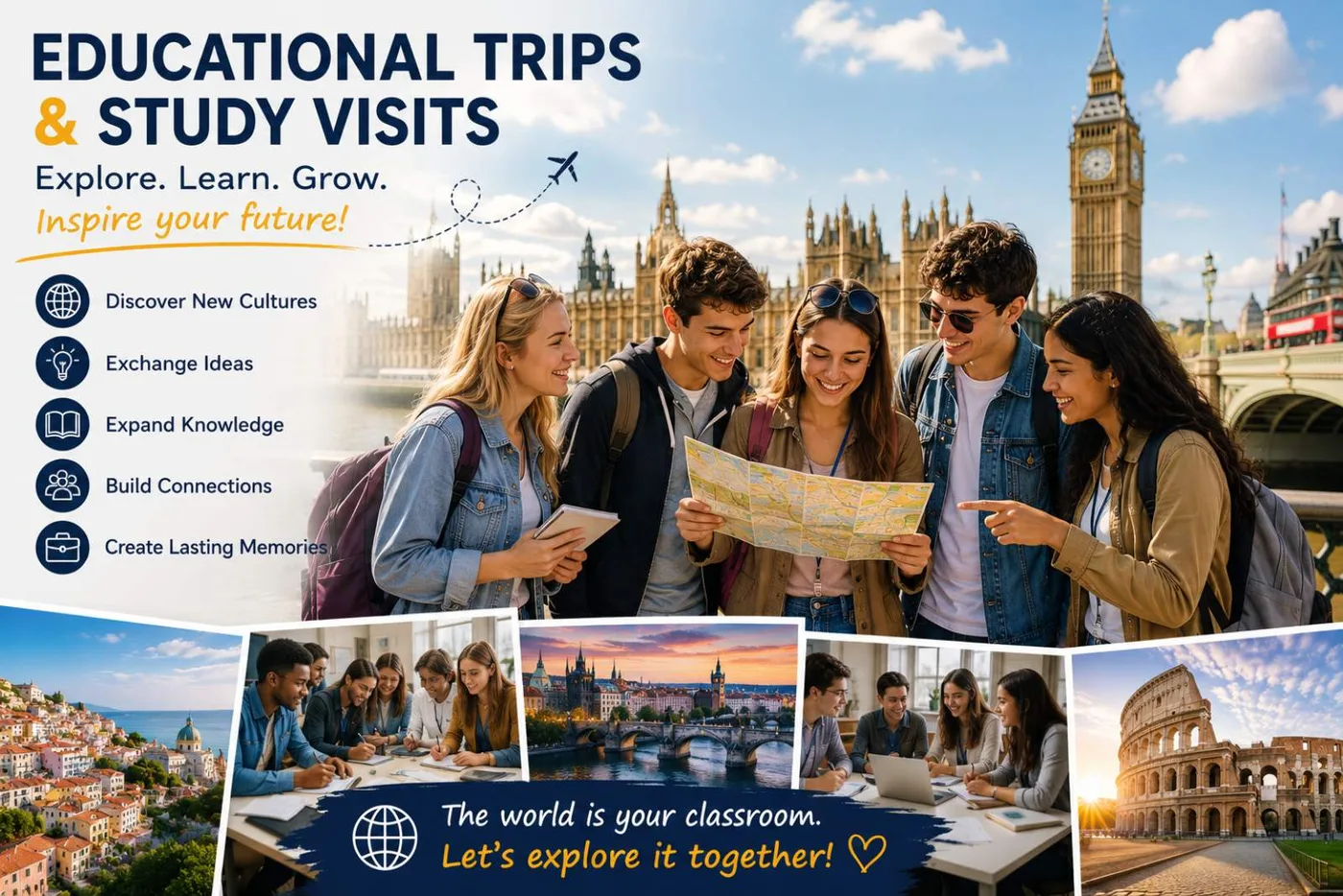
  • Educational travel and study visits
  • Teacher training
  • Building international partnerships
See what we offer →
03

I want to study or work in the German-speaking world

For students, recent graduates and professionals.
  • Career coaching
  • Lebenslauf and Anschreiben
  • Recognition of qualifications
  • Interview preparation
  • Professional German
  • Germany · Austria · Switzerland
Start your route →

Greek for the Diaspora

For families of Greek descent, Greek is rarely just a language. It is what grandparents switch into, the sound of summers in Greece, the reason a surname is spelled the way it is.

The aim is not to «teach Greek». We want our students to be able to understand, answer and stop feeling like a guest in their own language.
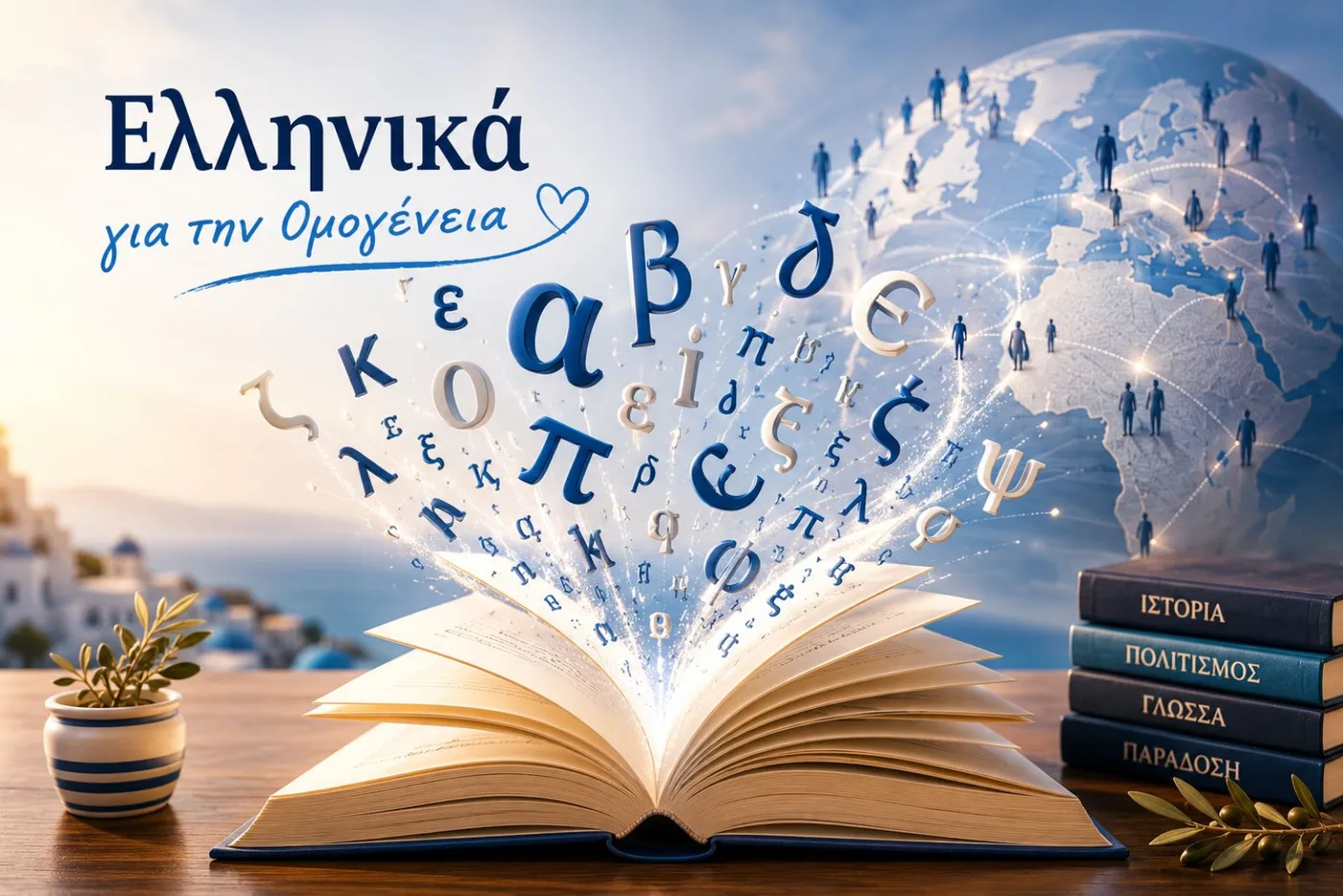
Greek for the Diaspora — an open book with Greek letters rising towards a world map: history, culture, language, tradition. (Graphic in Greek.)
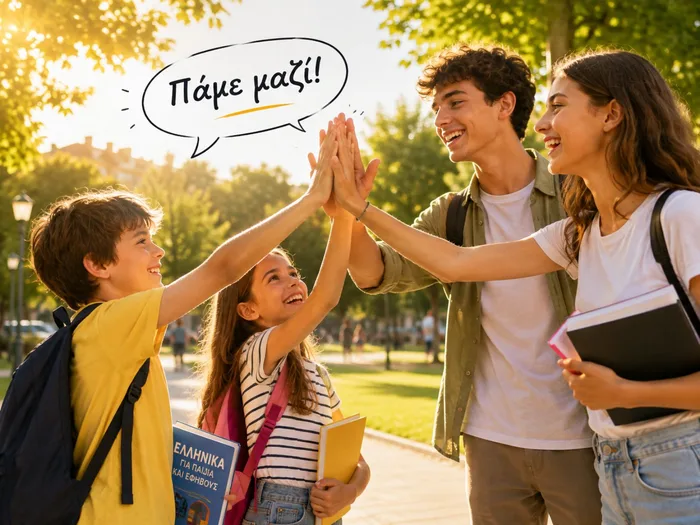
Children and teenagers in a park high-fiving, holding a book titled «Greek for children and teenagers».

Children & teenagers

For younger children, lessons built on stories, songs and play. For teenagers, subjects that match their age and their interests — not their parents'.

See the programme →
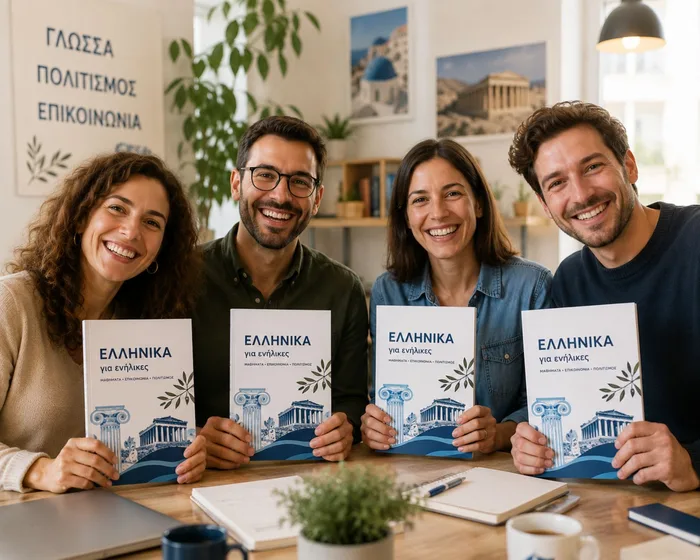
Adults in a lesson holding the coursebook «Greek for adults», with a poster reading «Language · Culture · Communication» on the wall.

Adults

Some grew up surrounded by Greek and never learned it properly. Some speak easily but would not attempt a letter. The programme starts from where you actually are.

See the programme →

A group of adults reading «Greek — Language & Culture» in a taverna overlooking the Acropolis.

Language & culture

History, mythology, music, festivals and life in Greece today are part of the lesson. You do not just learn what a word means — you discover the world that word lives in.

See the programme →
All programmes for the Diaspora

Lessons are online, from any country and at a time that works in your own time zone.
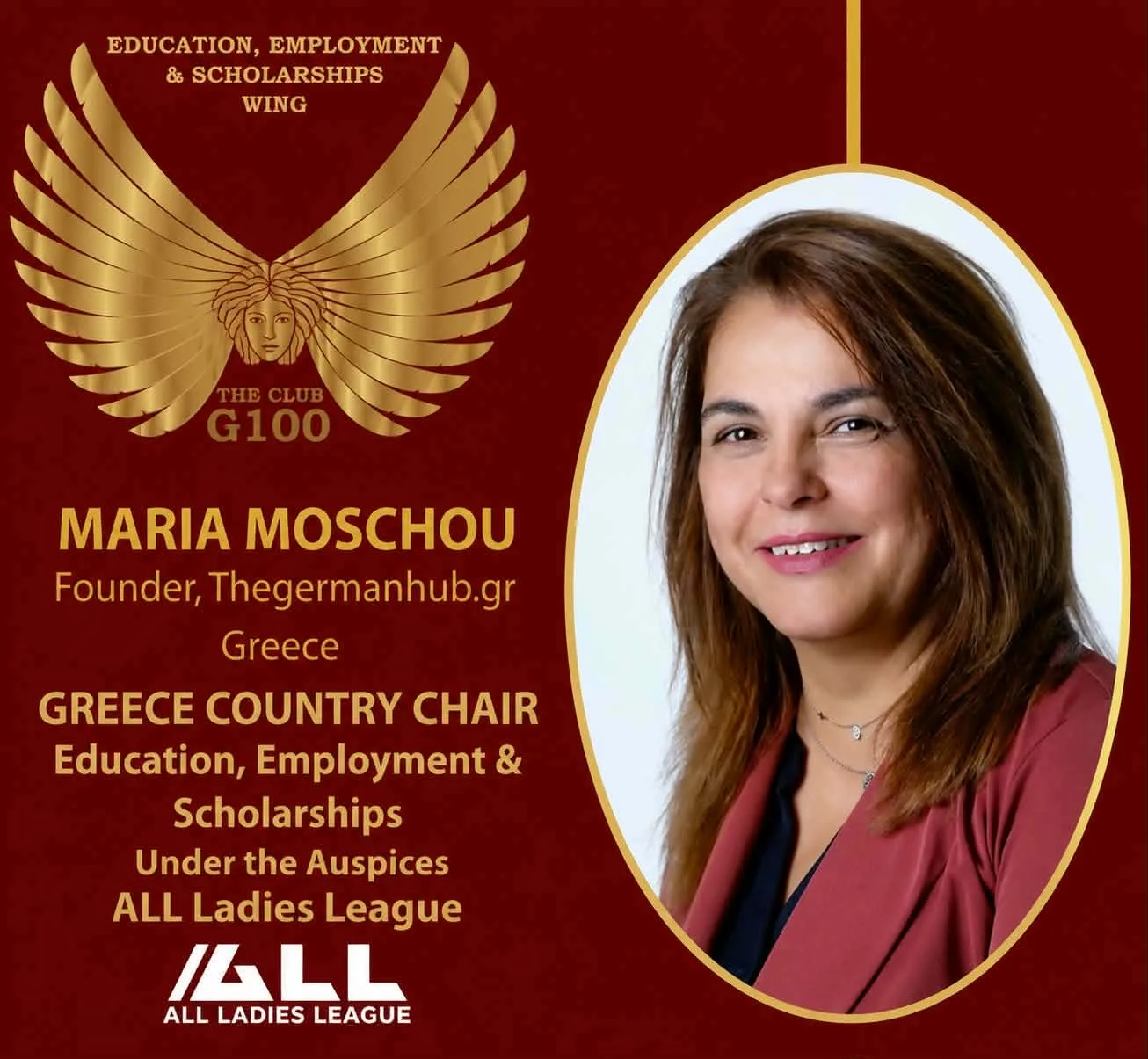
Maria Moschos — Founder, Thegermanhub.gr · Greece Country Chair, G100 Education, Employment & Scholarships Wing

Maria Moschos

Educator · Founder of The German Hub · Author · Journalist · Family Counsellor · Mentor · International Networker

  • Educator
  • Founder
  • Author
  • Journalist
  • Family counsellor
  • Mentor
  • Teacher Coach
  • Examiner & examiner trainer

A modern organisation for education, European projects and international partnerships, with a specialisation in the German-speaking world.

We run German language programmes, Greek for the diaspora, educational travel, career guidance and support for working in Germany, Austria and Switzerland.

Alongside that we design and deliver European projects, build international partnerships and take part in global initiatives on leadership and empowerment.

G100 — Greece Country Chair

Within the global G100 network, she serves as Greece Country Chair in the Education, Employment & Scholarships Wing — education, employment, empowerment, equal opportunity, mentoring and international networks.

European projects, designed with strategy and real impact

We specialise in designing, developing and delivering European projects across education, social inclusion, innovation, entrepreneurship and international cooperation.

We work with organisations at every stage: from the first idea and the search for partners through to writing, management, dissemination and evaluation.
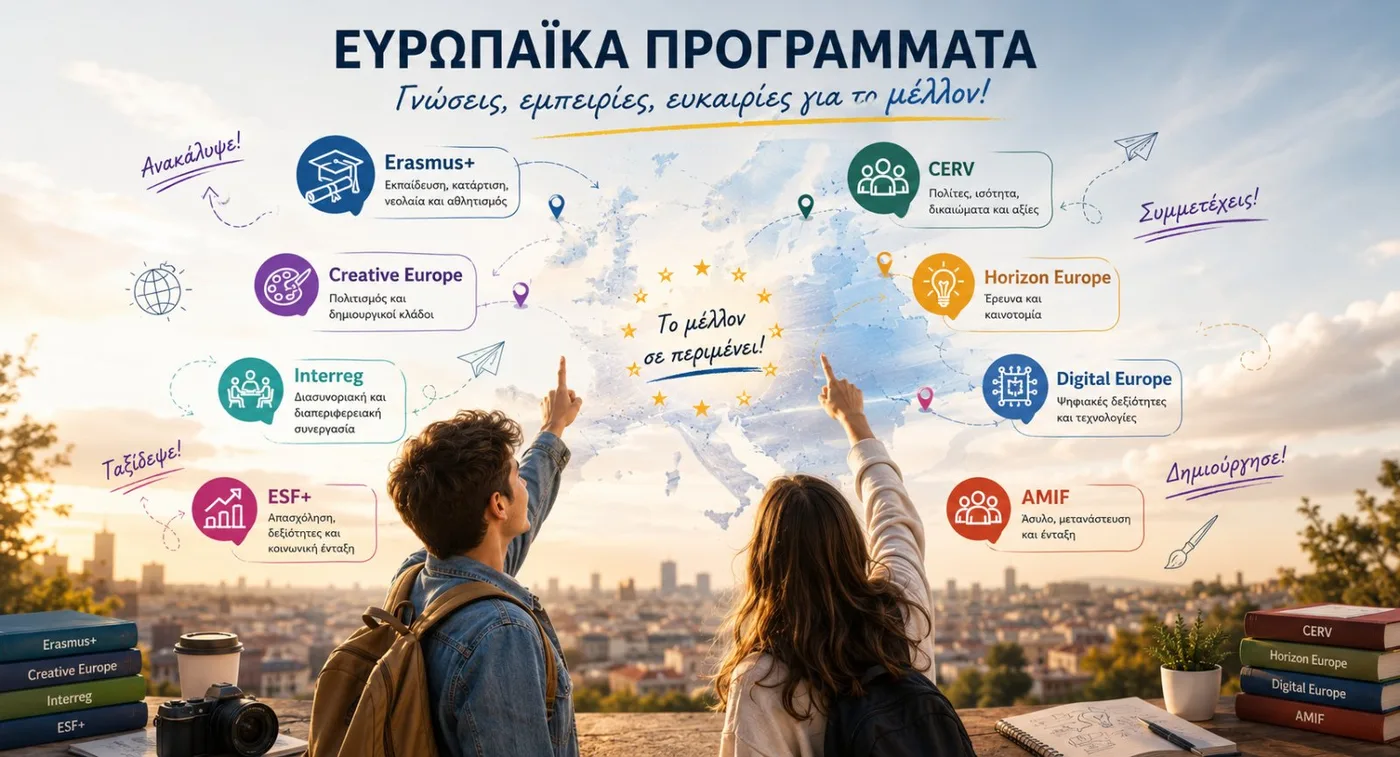
01Erasmus+Education, training, youth and sport
02CERVCitizens, equality, rights and values
03Creative EuropeCulture and the creative sectors
04InterregCross-border and interregional cooperation
05Horizon EuropeResearch and innovation
06Digital EuropeDigital skills and technologies
07ESF+Employment, skills and social inclusion
08AMIFAsylum, migration and integration
A map of Europe with the eight programmes: Erasmus+ (education, training, youth and sport), CERV (citizens, equality, rights and values), Creative Europe (culture and the creative sectors), Horizon Europe (research and innovation), Interreg (cross-border and interregional cooperation), Digital Europe (digital skills and technologies), ESF+ (employment, skills and social inclusion) and AMIF (asylum, migration and integration). (Graphic in Greek.)

It is not only the language

Seminars, careers guidance, teaching materials and travel — each of them stands on its own, independent of the lessons.

Seminars for students, parents and teachers

Knowledge, self-awareness and real support for the things that are actually hard. Each seminar is designed for its own group and can be adapted to what a school, an association or an organisation is dealing with.

See all seminars →

Parent counsellingCommunication & conflict Self-awareness & personal developmentThe systemic approach Positive psychologyResilience Support for teachersMentoring & Coaching
Parents with small children in a discussion circle with a facilitator, in a bright room.

Why The German Hub

Six reasons
01

From the language to a real opportunity

We do not simply teach German. We connect the language to study, work, certification, international mobility and personal development.

02

Greece & the German-speaking world — a bridge that runs both ways

Our work with Germany, Austria and Switzerland does not stop at the language. We connect two worlds, in both directions.

03

The diaspora is part of what we are for

We want the next generation of the diaspora not simply to know Greek, but to feel that Greek belongs to them too.

04

From Greece to Europe — and from Europe to Greece

Europe is not a funding framework to us. It is a space for cooperation, for knowledge and for building something together.

05

Education on a human scale

We are not only interested in what someone wants to learn. We are interested in where they want it to take them.

06

We do not just offer services — we build routes

A student can start with the language and end up with an international experience. An organisation can start with a local need and end up with a European project.

Greece ↔ Diaspora ↔ German-speaking world ↔ Europe
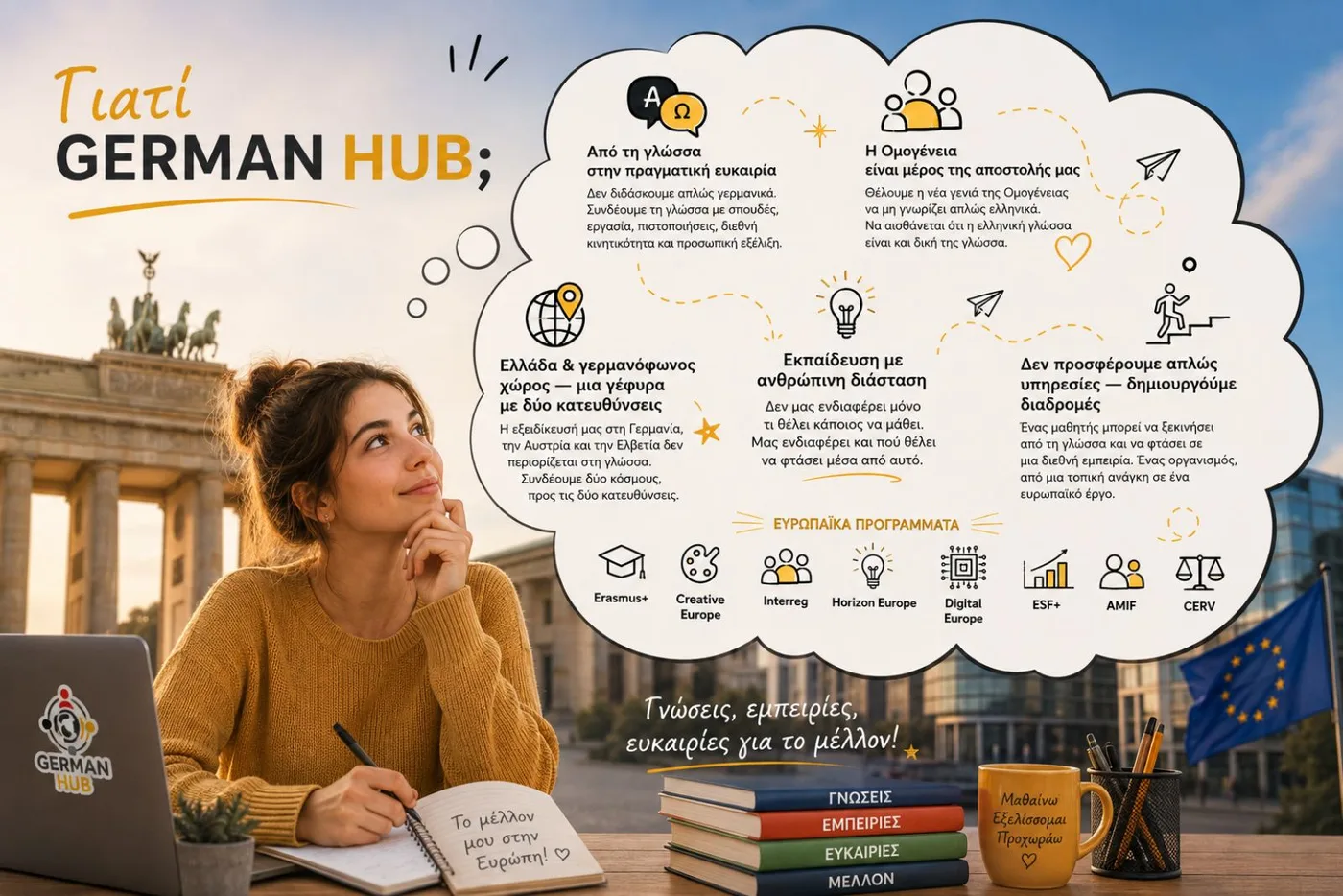
Why German Hub? From the language to a real opportunity · The diaspora is part of what we are for · Greece and the German-speaking world, a bridge that runs both ways · Education on a human scale · We do not just offer services, we build routes. European programmes: Erasmus+, Creative Europe, Interreg, Horizon Europe, Digital Europe, ESF+, AMIF, CERV. (Graphic in Greek.)

How we work

From the first conversation to the result, you always know what the next step is. Every person, every organisation and every idea is different, so we never start with a ready-made answer.

We listen & understand

You tell us the goal, the need or the idea, and we look together at what is realistically possible. First we understand where you are and where you want to get to.

We design the right route

From the start you know what we propose, why we propose it, what the next steps are and on what terms we would work together.

We go through it with you

Delivery does not mean we «take it on» and reappear at the end. There is communication, tracking and reporting throughout.

We build the step after this one

A certificate can lead to a degree. A language to a job. A European project to a partnership that outlasts it.

Listen → Understand → Design → Deliver → Support → Grow
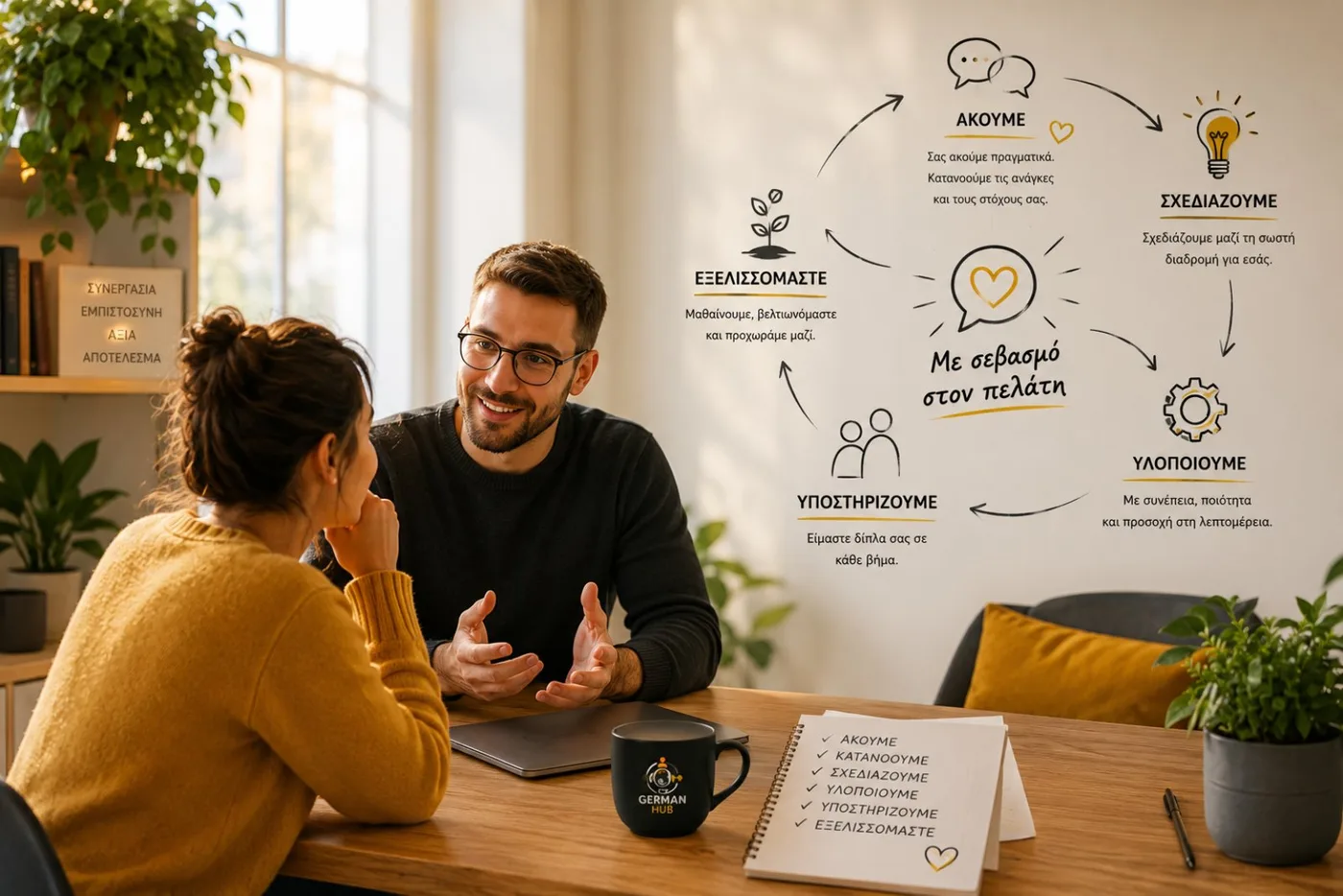
The cycle of working together, with respect for the client: Listen — we really listen, and understand your needs and goals. Design — we design the right route with you. Deliver — consistently, with quality and attention to detail. Support — we are alongside you at every step. Grow — we learn, improve and move forward together. (Graphic in Greek.)

Frequently asked

Not on the list? Just ask us directly.

Book a call
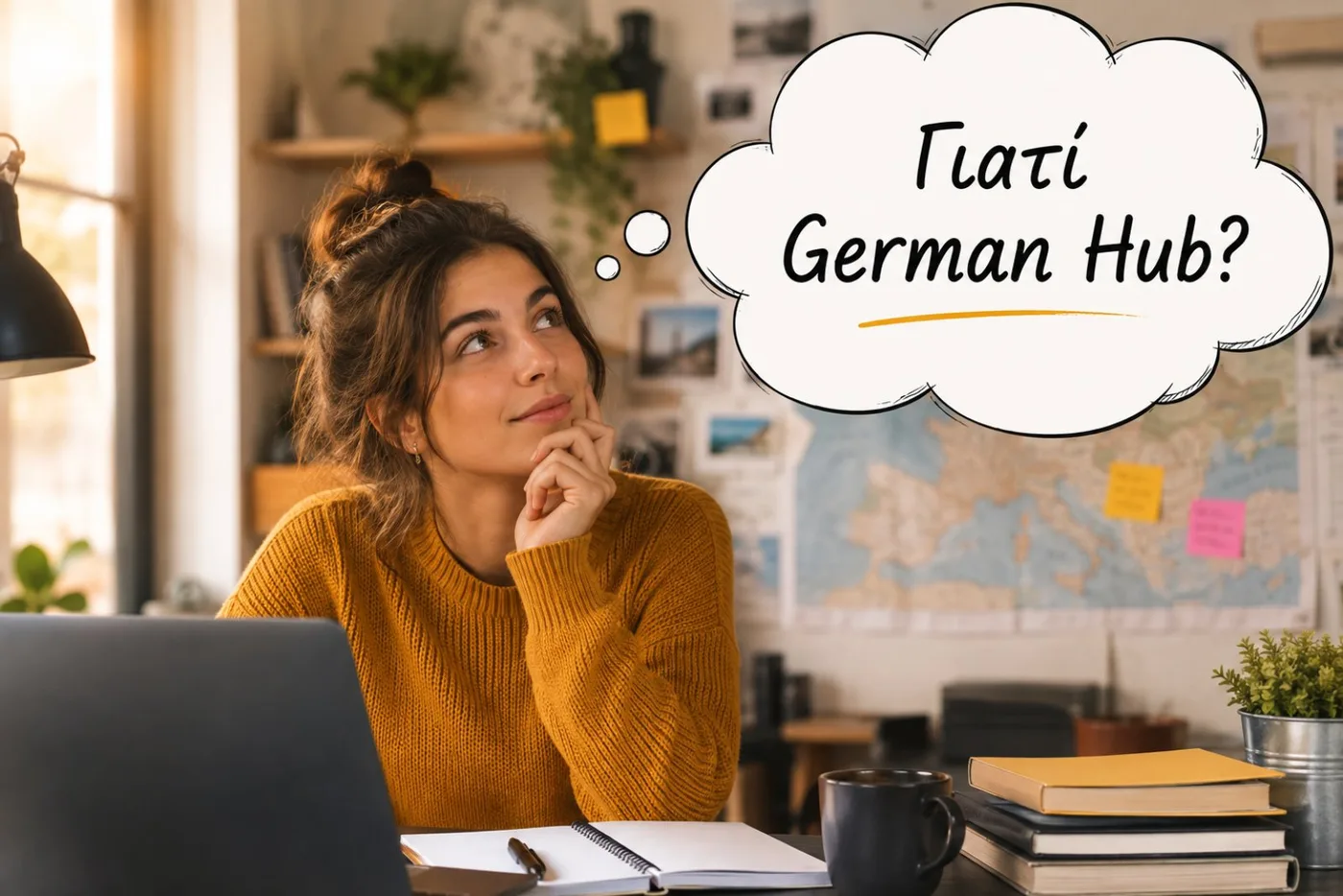
A young woman at a desk thinking «Why German Hub?» — with a map of Europe on the wall behind her.
What is the difference between Goethe, ÖSD, telc and the Greek State Certificate?
All four certify German against defined CEFR levels, but they differ in the awarding body, in how the exam is built, in what it rewards, and in where it is usually asked for. The Goethe-Zertifikat is the Goethe-Institut system, with exams from A1 to C2. The ÖSD is the Austrian system. telc offers both general and more specialised exams. The KPG is the Greek State Certificate of Language Proficiency. There is no certificate that is «best» for everyone — requirements differ even between universities in the same country. First we settle the goal. Then the certificate that serves it.
Our school has never done Erasmus+. Can we still start?
Yes. Previous experience is not required. A school starting now needs first to be clear about what it genuinely wants to change or improve. The starting point is not the application form but the educational need. Do you want your teachers trained? Your students to have international experience? To work on inclusion, digital education or sustainability? That is where we begin.
What is the difference between KA1 and KA2?
KA1 is about the learning mobility of individuals — teachers, students and young people taking part in organised learning experiences abroad. KA2 is about cooperation between organisations around a shared objective. Put simply: KA1 → we travel in order to learn. KA2 → we cooperate in order to build something together. The choice does not follow from wanting to «do Erasmus+». It follows from what your organisation actually needs.
Do I need German to work in Germany, Austria or Switzerland? And at what level?
It depends on the country, the profession and — for regulated professions — the official recognition requirements. There is no single level that applies to everyone. In some international or technical sectors it is possible to work with limited German. In regulated professions — healthcare, education and others — a specific level is often required, frequently B1 or B2 depending on the federal state, alongside recognition of your qualification. That is why we do not tell everyone «you need B2». We start from your goal.
Will my Greek degree be recognised in Germany?
In most cases there is a clear way to have your qualification assessed, but the process is not the same for every profession. The first thing we establish is whether your profession is regulated or not. For regulated professions — doctors, nurses, teachers in state schools — formal recognition is normally required. The procedure depends on the profession, the qualification and the federal state. For an official check by profession there is the German government's Recognition Finder . We do not start with the paperwork. We start with your professional goal.

Let's build the next opportunity

Every route starts with one step: learning a language, connecting a child of the diaspora with where they come from, turning a European idea into a project, or making a professional start in Germany, Austria or Switzerland. You do not need to know all the steps in advance. Knowing where you want to end up is enough.
+30 695 184 4506